3 Common Mistakes Parents Make When Choosing a Special Needs Bed
Choosing the right bed for a child with special needs can be a daunting task for any parent. The bed is not just a place to sleep; it's an essential part of a child's environment, affecting their comfort, safety, and overall well-being. Ensuring a child's bed meets their specific requirements requires careful consideration to avoid common pitfalls. Here, we explore some frequent mistakes parents make when selecting a special needs bed and how to avoid them.
Overlooking Specific Needs of the Child
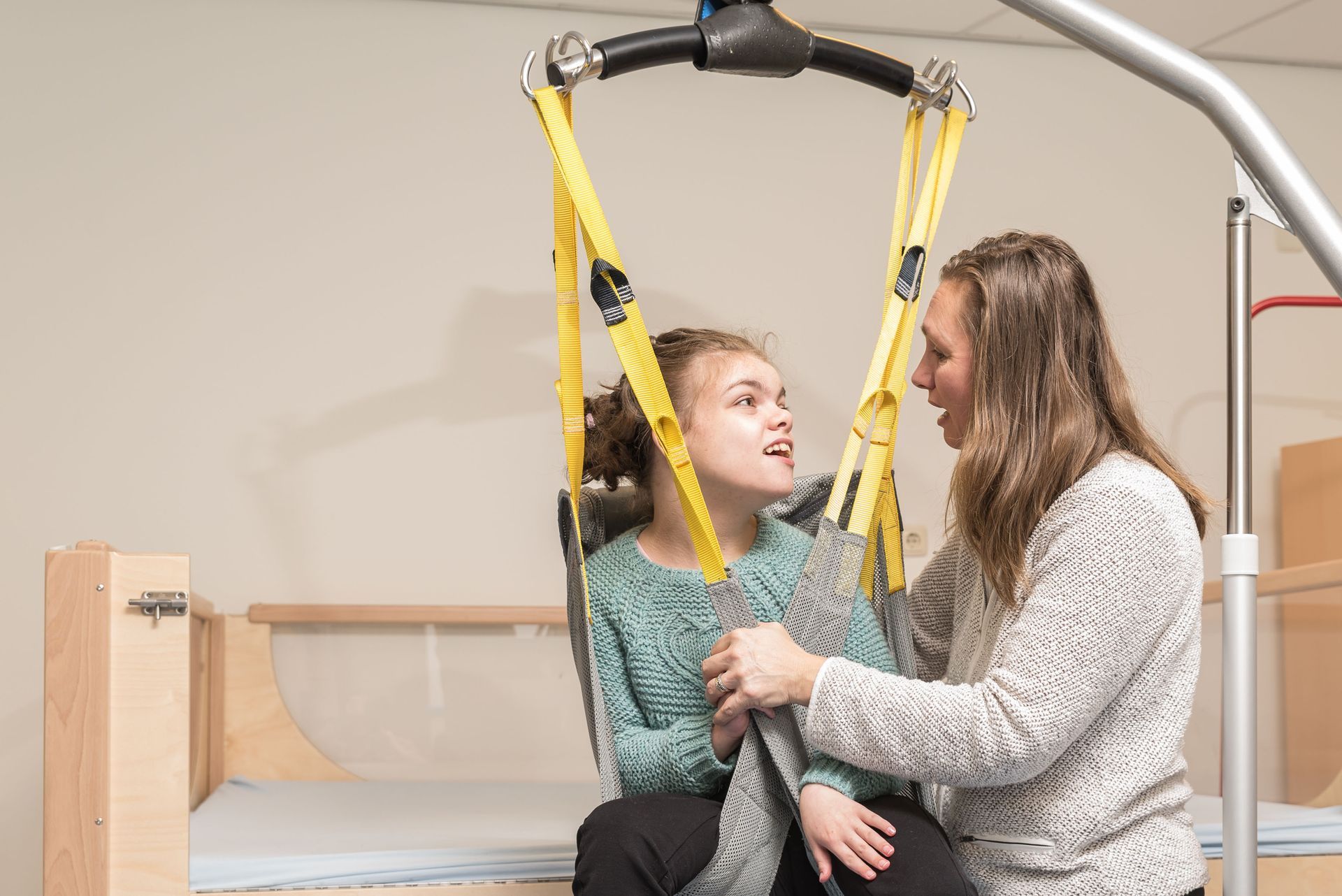
One of the most common mistakes is overlooking the child's specific needs. Just like no two children are alike, no two special needs are the same. Understanding the child's unique requirements is crucial for making an informed decision. Parents must consider factors such as mobility, sensitivity to stimuli, and any medical equipment or accommodations that need to be factored into the bed's design. Personalizing these aspects can prevent further complications, ensuring the child is not just safe but also comfortable and thriving.
Not Considering Long-Term Usability of the Bed
Another mistake is not considering the long-term usability of the bed. Children grow, and their needs evolve. Investing in a bed that can adapt to a growing child's changing needs often proves to be more economical in the long run. According to the Health Resources and Services Administration (HRSA), just 34.4% of children aged 6–17 with special health care needs are thriving, compared to 69.1% of their peers without such needs. This significant disparity highlights the importance of ensuring consistent, supportive environments, starting with something as fundamental as a bed.
Ignoring Expert Advice
Ignoring expert advice is another pitfall that many parents encounter. Specialists in pediatric health or occupational therapy can provide valuable insights into the choice of bedding that supports the child's development. Relying on professional guidance can inform decisions that parents might otherwise overlook. Consultations not only affirm the suitability of chosen options but also enlighten parents on potential new technologies or products designed to meet special needs more effectively.
Selecting the right
special needs bed requires a careful balance of assessment, foresight, and expert guidance. By avoiding common mistakes such as neglecting specific needs, underestimating long-term use, and not seeking professional advice, parents can make more informed decisions. Ultimately, the right bed can make a profound difference in the quality of life and well-being of a child with special needs, fostering an environment where they can truly thrive. Contact Kayser Betten US today for more information.