Sleep Solutions That Support Your Child’s Unique Needs
Every child deserves a safe and comfortable environment that supports healthy rest and relaxation. For children with physical, developmental, or sensory challenges, sleep environments often require additional considerations to meet individual needs effectively. A thoughtfully designed special needs bed can help improve comfort by supporting positioning, stability, and nighttime safety throughout the sleeping experience. Children who experience mobility limitations or sensory sensitivities may benefit from customized features that encourage better rest and reduced nighttime disruptions. According to Zipdo, about 12.7% of U.S. children ages 0–17 have a disability, and roughly 3.6% have a severe disability that affects daily activities. Specialized sleep solutions help families create more supportive nighttime routines while improving comfort for children with unique care requirements.
Supporting Safe Sleep Habits Through Protective Features
Safety is one of the most important priorities when selecting sleep equipment for children with specialized care needs. A professionally designed special needs bed often includes protective features that help reduce the risk of falls, unsafe movement, or nighttime injuries. Side enclosures, adjustable rail systems, and supportive positioning elements can contribute to a safer sleep environment while helping caregivers feel more confident during overnight hours. Children who experience involuntary movement, seizures, or limited mobility may require additional protective support during sleep. Proper safety-focused design also helps create a more secure and calming environment that encourages consistent rest. Specialized sleep equipment plays an important role in supporting both safety and comfort for children with varying physical and developmental conditions.
Improving Sleep Quality Through Personalized Positioning
Proper body positioning can significantly affect sleep quality, breathing comfort, and nighttime relaxation. A special needs bed often includes adjustable positioning features that allow caregivers to customize sleeping arrangements based on a child’s unique physical requirements. Elevation adjustments and supportive configurations may help improve circulation, reduce pressure points, and support respiratory comfort during sleep. Children who spend extended periods in bed may especially benefit from positioning systems designed to encourage better physical support. Personalized positioning also helps create a more restful sleep environment that supports consistent nighttime routines. Sleep systems tailored to individual needs contribute to healthier rest and improved overall comfort throughout the night.
Encouraging Greater Independence Through Adaptive Solutions
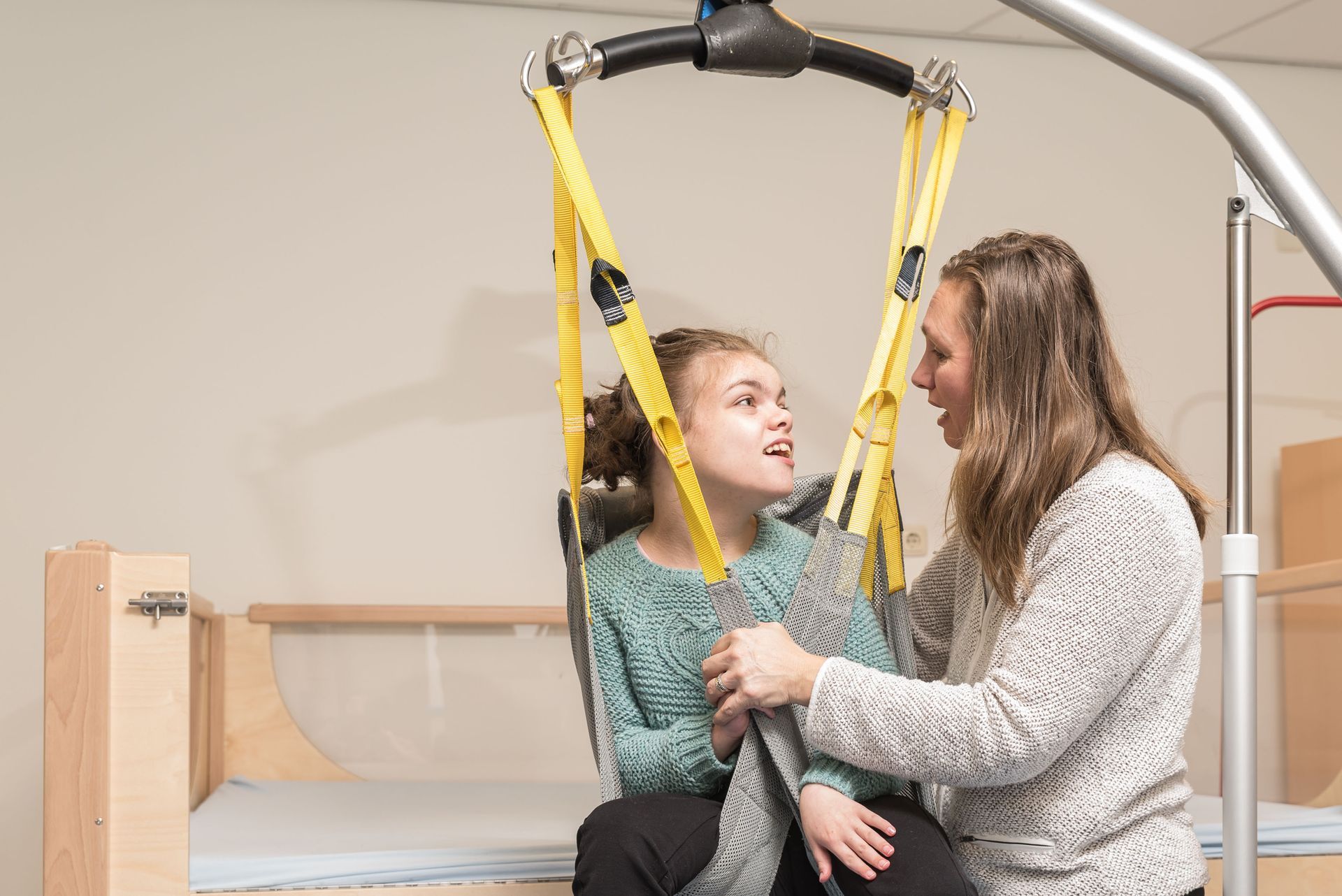
Adaptive sleep equipment can help children develop greater independence within their daily routines and bedtime activities. A special needs bed may include accessibility-focused features that support easier transfers, safer movement, and improved personal comfort during nighttime transitions. Children with mobility challenges often benefit from equipment that allows them to participate more actively in their routines while reducing physical strain on caregivers. Adaptive designs can also help improve confidence and create a stronger sense of independence for children navigating physical limitations. Supporting independence through specialized sleep solutions contributes to improved emotional well-being and daily comfort. Professionally designed adaptive equipment helps families balance safety, accessibility, and long-term usability.
Reducing Caregiver Strain Through Supportive Functionality
Caring for children with specialized physical or developmental needs often requires considerable physical and emotional effort from caregivers. A well-designed special needs bed can help reduce caregiver strain by improving accessibility and simplifying nighttime assistance routines. Adjustable height features, transfer support systems, and safer positioning options help caregivers provide support more comfortably and efficiently. Reduced physical strain can be especially valuable during overnight care situations that require frequent monitoring or repositioning. Supportive functionality allows caregivers to focus more on comfort and care while reducing challenges associated with lifting or positioning. Specialized sleep equipment contributes to safer and more manageable caregiving experiences for families.
Addressing Sensory Needs Through Calming Sleep Spaces
Children with sensory sensitivities often respond positively to sleep environments designed with comfort and stability in mind. A carefully selected special needs bed may help create a calming atmosphere that supports relaxation and minimizes sensory overstimulation during bedtime. Features such as enclosed designs, supportive cushioning, and secure positioning systems can contribute to a greater sense of comfort and emotional security. Consistent sleep environments are especially important for children who benefit from predictable routines and reduced sensory distractions. Creating a calming nighttime setting can support healthier sleep habits and improved emotional regulation. Specialized sleep solutions help families establish restful spaces that better accommodate sensory-related needs.
Supporting Medical Needs Through Functional Accessibility
Some children require sleep systems that accommodate ongoing medical care, mobility devices, or specialized support equipment. A professional special needs bed may be designed to support medical accessibility while maintaining comfort and functionality throughout daily use. Adjustable configurations can help caregivers manage positioning requirements, therapy support, and nighttime care more effectively. Functional accessibility is especially important for children with complex medical conditions that affect mobility, breathing, or muscle control. Properly designed sleep equipment helps caregivers maintain safer and more efficient care routines while supporting the child’s overall comfort. Specialized sleep systems contribute to better nighttime support for children with ongoing medical needs.
Promoting Better Routines Through Consistent Sleep Support
Healthy sleep routines are important for children of all ages, particularly those managing developmental or physical challenges. A reliable special needs bed can help establish consistency by providing a stable and supportive environment that encourages regular bedtime habits. Consistent sleep support often contributes to improved nighttime behavior, emotional regulation, and daytime functioning. Children who experience discomfort or instability during sleep may have greater difficulty maintaining restful nighttime routines. Specialized equipment designed to meet individual needs helps reduce interruptions that can interfere with healthy rest patterns. Better sleep consistency supports both children and caregivers by improving overall household routines and nighttime comfort.
Encouraging Emotional Comfort Through Secure Environments
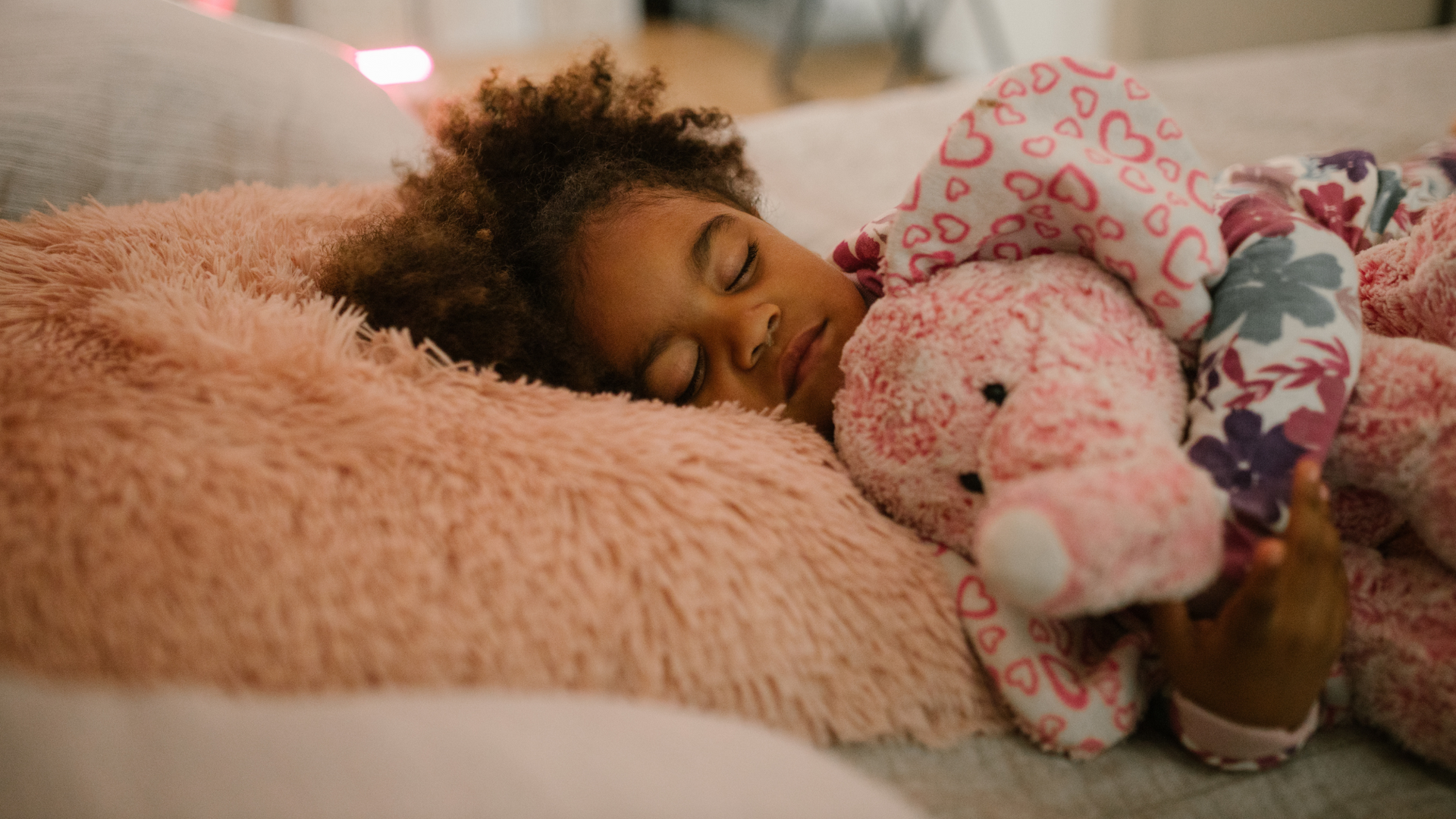
Emotional comfort plays a major role in helping children feel relaxed and secure during bedtime. A thoughtfully designed special needs bed can help create a stable environment that promotes emotional reassurance and nighttime calmness. Children who experience anxiety, sensory sensitivity, or developmental challenges may respond positively to enclosed or supportive sleep designs that create a stronger sense of safety. Secure sleep environments can help reduce nighttime restlessness and encourage smoother bedtime transitions. Emotional comfort also supports healthier sleep patterns and improved relaxation throughout the night. Specialized sleep equipment helps families create supportive nighttime spaces tailored to each child’s emotional and physical needs.
Supporting Long-Term Development Through Better Rest
Quality sleep contributes significantly to a child’s physical growth, cognitive development, and emotional well-being. A professionally designed
special needs bed helps support healthier rest by addressing challenges that may interfere with consistent sleep quality. Children who receive proper nighttime support are often better positioned to maintain focus, energy, and emotional stability during daytime activities. Restful sleep also contributes to improved recovery, physical comfort, and daily functioning for children with specialized care needs. Supportive sleep environments help families encourage healthier long-term development through consistent nighttime care. Proper sleep solutions remain an important part of supporting overall wellness and quality of life.
At Kayser Betten US, we understand that every child deserves a sleep environment designed to support comfort, safety, and individual care needs. Our team is dedicated to providing specialized sleep solutions that help families create supportive nighttime routines tailored to their child’s unique challenges and abilities. We focus on combining thoughtful design, accessibility, and functionality to help improve comfort and long-term usability for children and caregivers alike. From adaptive positioning features to secure sleep environments, our goal is to provide solutions that support healthier rest and improved daily living experiences. We are committed to helping families find sleep systems that encourage confidence, comfort, and dependable nighttime support. Contact Kayser Betten US today to learn more about our specialized sleep solutions for children with unique care needs.