What Beds for Special Needs Children Should You Consider?
Selecting suitable bedroom furniture for young people with unique physical or cognitive requirements represents a major decision for any supportive household. Standard mattresses and regular frames frequently lack the protective boundaries, therapeutic adaptability, and supportive materials necessary to keep vulnerable youth secure throughout the night. By exploring adaptive options, parents discover purposeful sleep setups that cater directly to specific mobility challenges, sensory sensitivities, and night wandering behaviors. Evaluating certified beds for special needs children provides clarity during domestic planning, ensuring every selected piece enhances overall bedroom safety while giving caregivers complete peace of mind through every evening.
Evaluating Safe Enclosed Sleep Spaces With High Padded Sides
Fully enclosed safety frames feature full-height mesh sides or sturdy wooden rails designed to prevent accidental falls and unmonitored nocturnal wandering. Children experiencing severe sensory processing differences or autism spectrum conditions often benefit from these secure parameters, which transform nighttime bedrooms into calming sanctuaries. Soft interior padding cushions involuntary physical movements, preventing bruising during restless episodes or midnight seizures. Clear view panels maintain complete visual communication between parents and youth without compromising perimeter integrity. These robust structures establish a defined personal retreat where sensory overload dissolves, encouraging sound sleep patterns and allowing entire households to enjoy deeply restful, restorative nights.
Selecting Height-Adjustable Profiling Platforms for Better Daily Care
Articulating electric platforms provide motorized adjustments that raise or lower the mattress surface smoothly using intuitive handheld controllers. Caregivers frequently endure intense back strain when bending over standard bed frames to assist with clothing changes, repositioning routines, or medical treatments. Motorized elevation brings the sleeping child up to an optimal ergonomic height, significantly reducing physical exertion for assisting adults. Furthermore, lowering the base near the bedroom carpet minimizes fall impact if a young sleeper attempts to step out independently. These dynamic mechanics make beds for special needs children indispensable assets for managing complicated physical care routines easily.
Addressing Adaptive Home Renovations and Universal Living Designs
Creating an accessible household often mirrors the broader home modifications that families implement across various domestic living areas. According to a survey by Houzz.com, among renovating homeowners addressing special needs in the kitchen, the most common reason is to accommodate aging household members' future and current needs (36% and 27%, respectively). In a similar manner, adapting bedrooms requires proactive design strategies that anticipate long-term developmental trajectories rather than temporary quick fixes. Selecting modular furniture that adapts as young people grow eliminates costly future overhauls, ensuring the overall residential environment remains functional, welcoming, and universally accessible for decades.
Examining Sensory Compression Systems and Gentle Rocking Features
Sensory-seeking children often struggle to calm their nervous systems without specialized deep touch pressure or soothing rhythmic movement. Innovative slumber platforms integrate gentle hammock suspension, mild sway motors, or built-in compression canopies that replicate the comforting sensation of a firm embrace. These subtle tactile inputs stimulate the proprioceptive system, releasing tension and easing bedtime apprehension without pharmacological sleep aids. Enclosed canopies also diminish disruptive ambient bedroom lighting, creating a dim cocoon favorable to deep rest. By soothing overstimulated senses, these thoughtful beds for special needs children encourage quiet relaxation, making bedtime transitions noticeably smoother every single evening.
Mitigating Nighttime Fall Hazards Through Protective Safety Railings
Unintentional roll-offs represent a constant concern for parents of kids with restricted motor control, hypotonia, or frequent nocturnal spasms. Heavy-duty containment railings bridge this gap by replacing flimsy consumer bed guards with structurally certified, gap-free perimeter barriers. Engineers construct these sturdy wooden or metal balusters with exact spacing tolerances to eliminate dangerous entrapment risks near vulnerable neck and shoulder areas. Many designs incorporate quick-release latches positioned on exterior surfaces, ensuring responsible adults maintain rapid, unobstructed emergency access. Reliable safety barriers create a secure haven, letting children sleep peacefully without danger of hitting unforgiving floor surfaces unexpectedly.
Integrating Medical Equipment and Tube Access Ports Effortlessly
Children requiring specialized healthcare regimens overnight frequently sleep surrounded by feeding pumps, oxygen lines, monitoring sensors, and suctioning machinery. Ordinary residential frames pinch delicate cables or lack dedicated clearance for clinical stands, creating clutter and tripping hazards across bedroom floors. Specialized sleep units feature dedicated silicone-lined access openings that channel critical tubes safely outside the sleep enclosure toward clinical monitors. Reinforced support posts also include integrated mounting points for intravenous poles and ventilator shelves, keeping life-sustaining machinery stable. These intelligent features streamline routine nighttime interventions, allowing families to administer necessary therapies without disturbing the child.
Accommodating Manual Transfers and Patient Hoists With Clearance
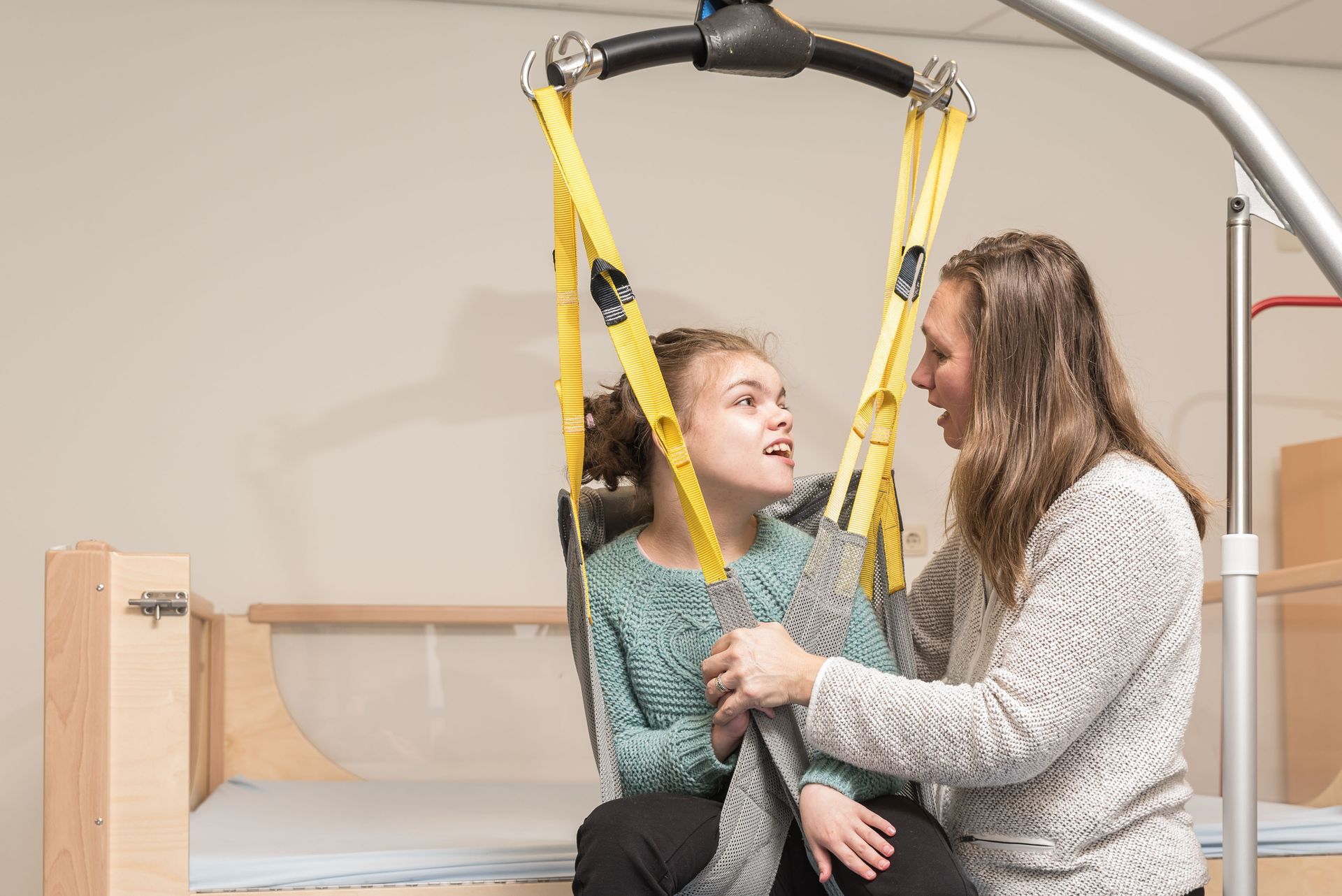
Facilitating smooth physical transfers from wheelchairs to sleeping surfaces requires careful consideration of mechanical clearances and floor spacing. Selecting specialized beds for special needs children with open base architecture allows the broad stabilizer legs of mobile patient hoists to glide beneath the frame smoothly. This open layout permits ceiling track harnesses or mobile sling lifts to position an individual directly over the center mattress safely. Eliminating awkward maneuvering protects family members and visiting home nurses from severe musculoskeletal injuries during routine transfers. Fluid movement patterns maintain personal dignity, turning potentially stressful transitions into comfortable daily rituals.
Choosing Durable Antimicrobial Mattresses With Moisture Resistance
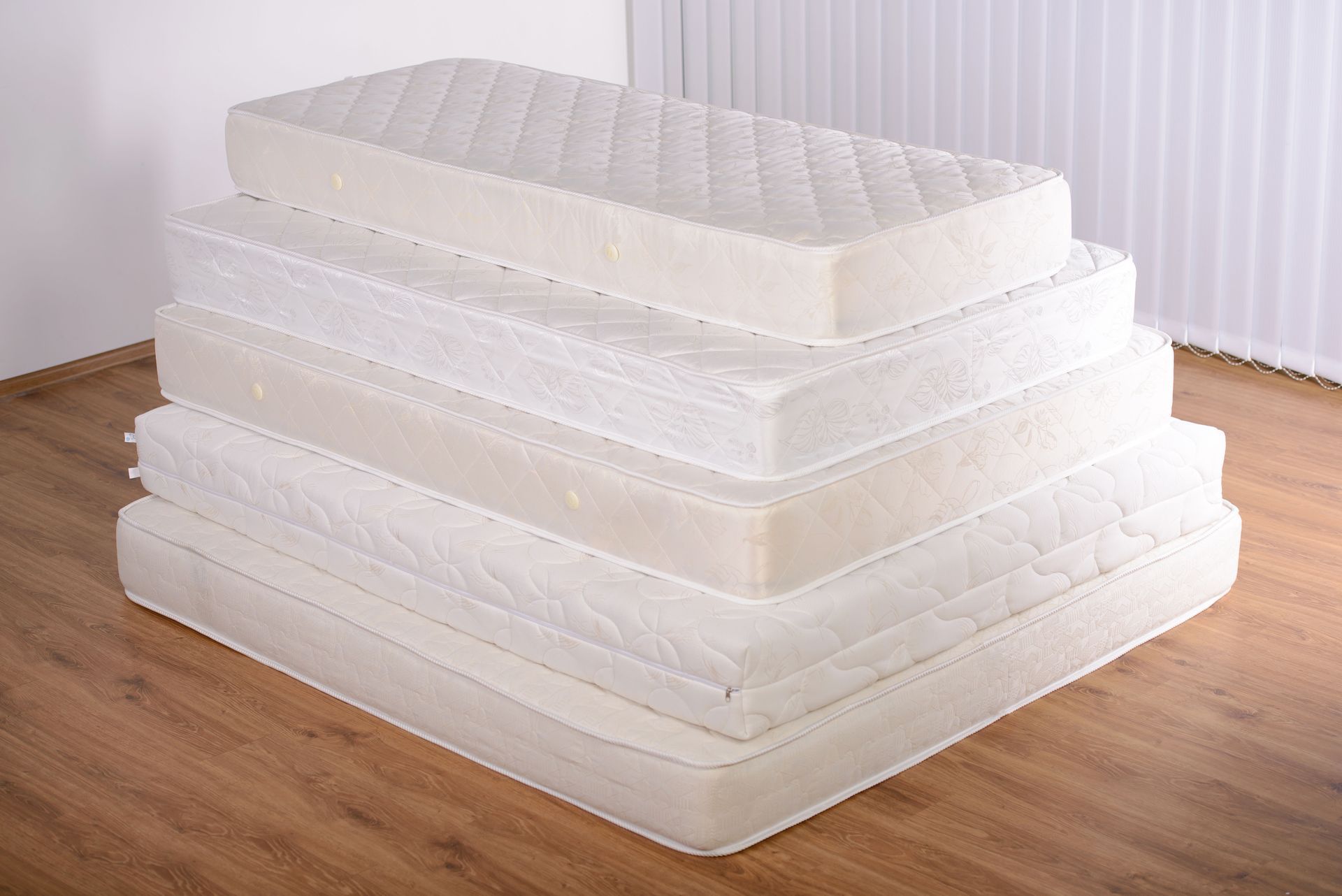
Incontinence events, accidental spillages, and excessive nighttime perspiration present formidable hygiene obstacles in specialized pediatric bedroom environments. Medical-grade mattress options combine high-resilience, pressure-relieving core foam with wipe-clean polyurethane outer covers that repel liquid entry entirely. Seamless welded joins prevent fluid ingress, stopping the growth of harmful bacteria, dust mites, and mildew within the core mattress padding. These breathable materials effectively manage shear friction and regulate body temperature, minimizing skin breakdown for kids with limited mobility. Maintaining pristine cleanliness requires mere minutes, ensuring young sleepers rest upon hygienic, fresh bedding every single evening.
Calming Sleep-Related Behavioral Challenges Through Enclosed Canopies
Bedtime resistance, severe agitation, and aggressive nocturnal outbursts create chaotic domestic routines for households facing complex neurological diagnoses. Cozy zippered tent beds and soft canopy cubicles address these behavioral struggles by dampening loud household sounds and reducing environmental distractions. Children view these safe parameters as personal decompression hideaways where external stimuli cannot reach them, promoting a feeling of ownership and control. Caregivers can safely step away knowing that aggressive bouncing or night pacing cannot lead to structural collapse or domestic destruction. This physical containment establishes dependable sleep cues that gently encourage regular, healthy circadian habits.
Balancing Clinical Functionality With Warm Domestic Aesthetics
Hospital aesthetics can make a cozy domestic bedroom feel stark, cold, and emotionally detached from standard family home life. Forward-thinking furniture manufacturers construct exceptional adaptive frames using warm beech hardwoods, colorful upholstered side walls, and decorative fabric inserts that match contemporary decor. These welcoming styles disguise heavy-duty steel mechanisms, concealed motors, and secure bolt patterns behind warm, inviting modern architectural lines. Blending clinical performance with uplifting design ensures the bedroom remains a cheerful private haven rather than an impersonal medical ward. Children take immense pride in their bedrooms, feeling comfortable inviting playmates into their cheerful spaces.
Incorporating Anti-Entrapment Mechanisms for Enhanced Vulnerable Safety
Vulnerable youth with limited bodily control require absolute structural integrity to prevent perilous limb entrapment between mattress borders and frame posts. Leading manufacturers engineer specialized beds for special needs children using tight tolerances that adhere strictly to international medical equipment standards. Solid padded bumpers cover every interior bracket, eliminating exposed gap junctions where curious fingers or toes might get caught during sleep. Reinforced locking pins on exterior access doors remain completely unreachable from the interior mattress surface, preventing premature escapes. Rigorous construction methods prioritize personal safety above all else, keeping young occupants secure through long nights.
Selecting an appropriate sleep system requires looking beyond immediate needs to support long-term physical growth, comfort, and safety. Premium beds for special needs children offer durable modular elements, adaptable base lengths, and adjustable functional accessories that evolve alongside expanding medical requirements. Equipping a young person with an accessible, high-performing frame provides essential stability, safeguards physical wellness, and prevents bedtime accidents. When domestic settings feature appropriate assistive equipment, whole families thrive through peaceful evenings and restorative morning routines. Investing in durable, certified designs transforms bedroom environments, establishing a secure domestic framework where every young child enjoys continuous comfort and restful slumber.
Are you seeking beds for special needs children in Allentown, PA, and the surrounding areas? At Kayser Betten US, we provide beds for individuals with complex medical needs. Contact us today for more information.