Modern Special Needs Bed Features That Help Prevent Falls and Nighttime Injuries
Nighttime should provide restorative rest, physical recovery, and profound peace for individuals and their families. However, when an individual experiences motor challenges, cognitive differences, sensory sensitivities, or involuntary nocturnal movements, standard sleep arrangements can quickly introduce serious safety risks. Unmodified sleep environments often leave vulnerable sleepers susceptible to rolling out of mattress boundaries, wandering unsupervised in the dark, or sustaining painful impacts against hard structures. Creating a secure nighttime haven requires specialized equipment designed specifically to prevent these hazardous situations before they happen.
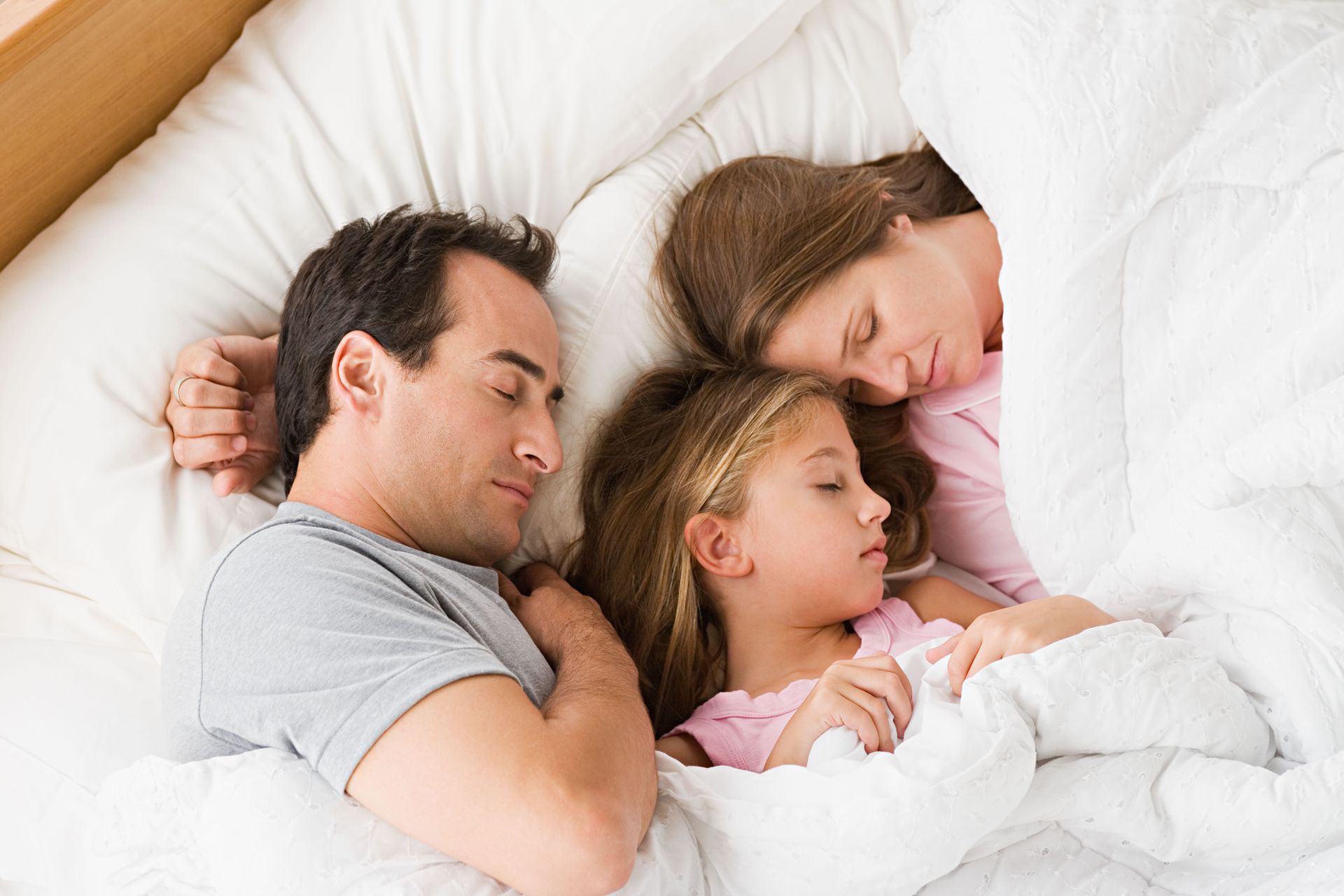
Caregivers frequently face exhausting overnight vigilance, waking at the slightest sound to verify that their family member remains safe and properly positioned. Investing in an appropriate special needs bed transforms this dynamic by providing structural safeguards that protect the sleeper while restoring peace of mind to the household. Modern engineering blends clinical-level security with residential aesthetics, ensuring that practical safety adaptations feel like a comforting personal sanctuary. Understanding the modern safety mechanisms built into these sleep systems helps caregivers identify the precise features required to protect their loved ones throughout the night.
Installing Tall Safety Rails to Prevent Accidental Falls
Traditional bed rails often fall short of meeting the complex physical needs of individuals who experience nighttime agitation or involuntary spasms. Conventional rails frequently leave open spaces or lack the necessary height to restrain an active sleeper who might roll during the night. A well-engineered special needs bed resolves this vulnerability by incorporating tall, robust perimeter boundaries that enclose the sleep area. These high barriers create a secure envelope, preventing unexpected tumbles out of the mattress perimeter while sleepers toss, turn, or experience seizures.
Beyond preventing rolling falls, towering side barriers are essential for individuals who possess limited impulse control or unawareness of personal danger. Individuals with cognitive delays or developmental conditions may attempt to climb out of sleeping quarters unsupervised, leading to dangerous falls onto hard flooring. High structural railings eliminate climbing leverage, discouraging nocturnal wandering and keeping the individual safely centered inside their designated sleeping space. Caregivers can secure locking mechanisms from the exterior, ensuring the occupant cannot accidentally release perimeter gates from within.
Adding Soft Interior Padding to Cushion Restless Movements
Physical safety involves far more than containing an individual within the sleep perimeter; it also requires protecting sensitive limbs from blunt trauma against hard structural elements. Active sleepers often kick, thrash, or rock back and forth, risking severe bruising if their body strikes unyielding wooden posts or metal frames. According to the NIH, approximately 50% to 80% of children and adolescents with ASD experience sleep disruptions, contrasted with 20-30% in neurotypical children. This elevated rate of nocturnal wakefulness and motor restlessness underscores the necessity of surrounding active sleepers with forgiving, impact-absorbing materials that minimize injury risk during turbulent nights.
Integrating dense foam padding along every interior surface of a special needs bed transforms firm boundaries into a cushioned cocoon. Advanced safety beds feature custom-fitted, removable pads upholstered in soft, antimicrobial, and fluid-resistant fabrics that withstand regular hygiene routines. These padded barriers soften forceful contact during sudden seizures, severe spasms, or sensory-seeking rocking behaviors. By eliminating exposed hard corners and rigid supports, interior protective cushioning preserves physical wellbeing and delivers soothing sensory comfort before bedtime.
Lowering Sleep Surface Elevation to Minimize Impact Hazards
Elevation management plays a pivotal role in maintaining physical safety throughout the night and during morning routines. When a sleep surface remains positioned high above the room floor, even a minor transfer slip can result in severe injuries to fragile bones, joints, or ligaments. A modern special needs bed addresses this hazard through an ultra-low floor design that brings the mattress remarkably close to ground level. By resting near the floor, the sleep platform drastically reduces gravitational distance and potential kinetic force associated with any accidental fall or improper exit attempt.
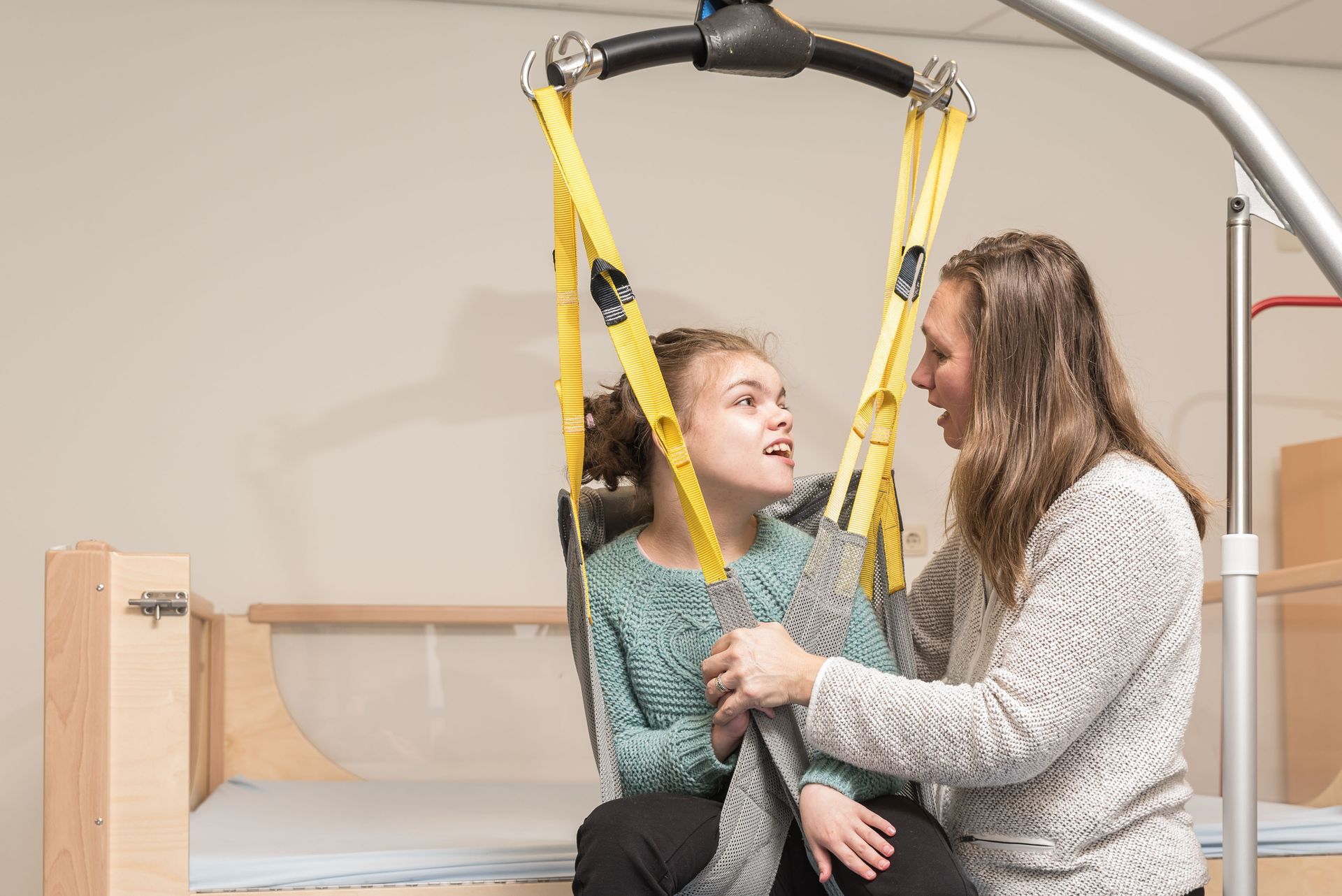
Low floor capabilities also empower individuals who possess developing motor skills to enter and exit their sleeping environment with minimal physical strain. Stepping safely across a minimal threshold fosters personal independence without sacrificing protective oversight. Concurrently, versatile height adjustability ensures that caregivers do not compromise their own ergonomic health during care tasks. Caregivers can raise the platform to a comfortable height for administering nighttime care, subsequently lowering the surface back to ground level before leaving the room.
Using Smooth Motorized Articulation to Facilitate Safe Repositioning
Resting flat on a standard horizontal surface can provoke medical complications for individuals coping with respiratory distress, gastroesophageal reflux, or limited muscle control. When fluids pool or airways collapse during supine sleep, individuals face elevated risks of choking, aspiration, or painful coughing spells. Integrating smooth, motorized articulation into a special needs bed allows caregivers to effortlessly elevate the head, torso, or legs to recommended angles. Elevating the upper body expands chest volume, facilitates unhindered respiration, and promotes natural digestive drainage without disturbing delicate slumber.
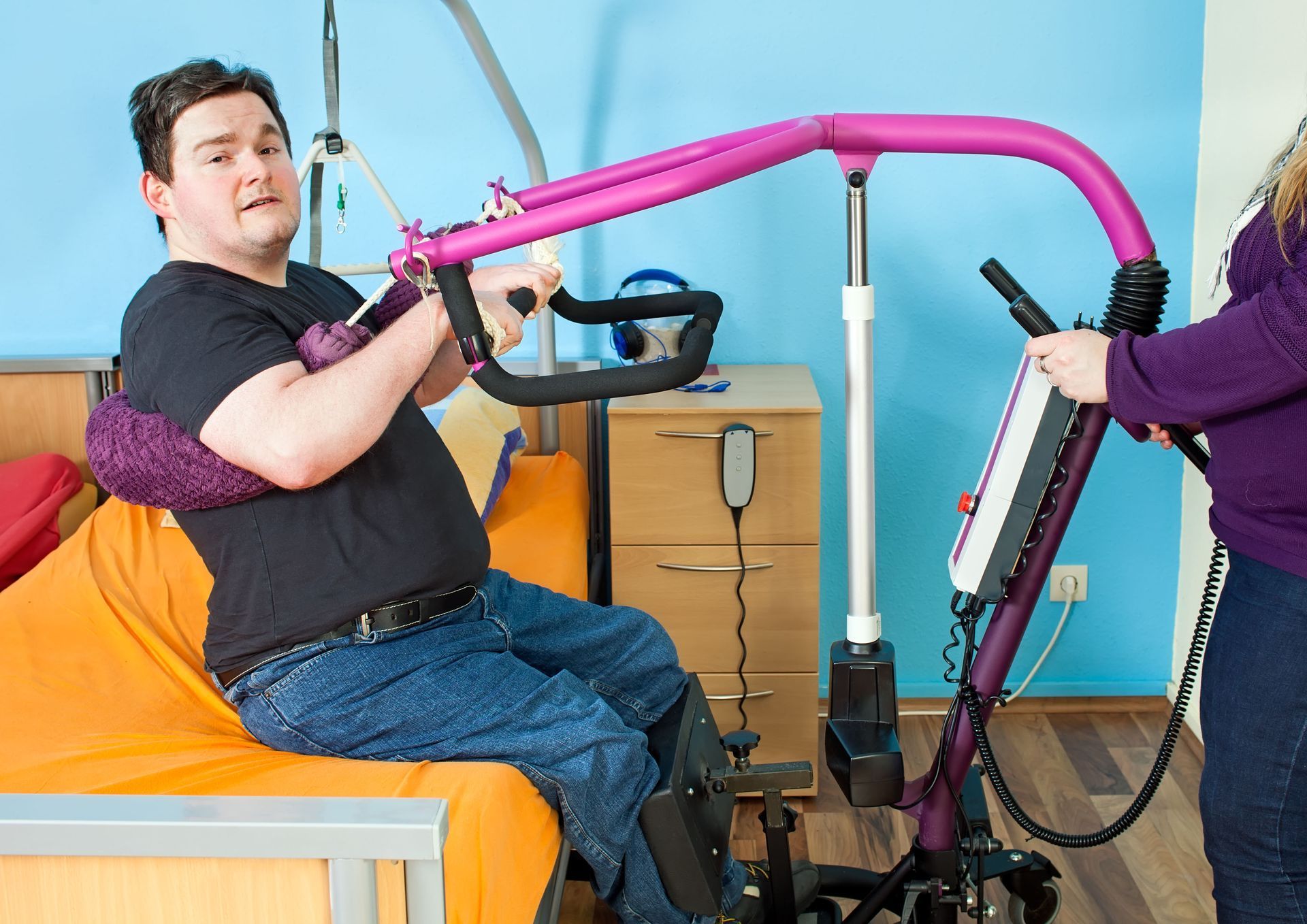
Gentle motorized movements also prevent tissue breakdown and pressure sore formation for individuals who lack physical strength to reposition independently. Electric handsets allow smooth repositioning that redistributes body weight across different pressure zones throughout the night. Caregivers can adjust posture silently without manual lifting, reducing the probability of drops, muscle strains, or skin shearing during midnight realignment routines. This seamless adjustment capability maintains physical comfort and protects bodily integrity across extensive periods of bed rest.
Eliminating Unsafe Structural Gaps to Prevent Dangerous Entrapment
Structural gaps between mattresses, headboards, footboards, and side rails present severe hazards in non-specialized furniture. When an individual shifts unpredictably, limbs, extremities, or even the head can become wedged tightly into open gaps. Entrapment can cause restricted blood circulation, limb sprains, panic, or life-threatening positional asphyxiation. A carefully engineered special needs bed eliminates dangerous crevices by ensuring that mattresses fit snugly against surrounding containment walls with no hazardous tolerance.
Precision manufacturing guarantees that mattress dimensions integrate seamlessly into the structural perimeter, eliminating void zones where hands or feet might become trapped. High-grade perimeter enclosures use closely spaced vertical bars, continuous solid panels, or tightly tensioned safety mesh to remove catch points completely. Smooth, rounded hardware fittings and concealed hinges further prevent clothing or medical tubes from snagging during nighttime motion. Ensuring every juncture fits flush eliminates entrapment vulnerabilities, allowing individuals to move freely within a safeguarded space.
Incorporating Transparent Mesh Panels to Enable Continuous Monitoring
Continuous visual monitoring is crucial for caregivers who need to confirm that an individual is resting peacefully without disturbing their sleep cycle. Solid wooden or opaque plastic barrier walls can obstruct clear sightlines, forcing caregivers to open access doors repeatedly, which frequently wakes a light sleeper. Integrating transparent, heavy-duty mesh windows into boundary walls provides unobstructed sightlines from any vantage point across the bedroom. Caregivers can perform rapid, silent wellness checks from the doorway, ensuring that the occupant remains safe without interrupting fragile rest.
Creating a truly protective sleep environment requires thoughtful attention to structural boundaries, impact absorption, adaptive positioning, and entrapment prevention. When these specialized safety features unite in a design, vulnerable sleepers gain the physical protection they require to avoid nighttime injuries, while families regain uninterrupted, restorative rest. A purpose-built special needs bed replaces persistent overnight worry with enduring peace of mind, transforming every bedtime into a secure, comforting experience for everyone in the home.
If you are ready to create a safer nighttime environment for your loved one, contact us at Kayser Betten US today. We will help you select the ideal sleep solution tailored to meet your family's unique safety, mobility, and comfort requirements.